

- posted: Feb. 13, 2026
How to Detect Cat Anxiety
While many people believe that cats are naturally aloof, these animals are highly sensitive to changes in their environment. A veterinarian near you can help you distinguish between a simple personality quirk and a clinical anxiety disorder in your cat. Understanding the body language of your pet allows you to intervene before their health is negatively impacted by long term tension.
Physical Indicators of Stress
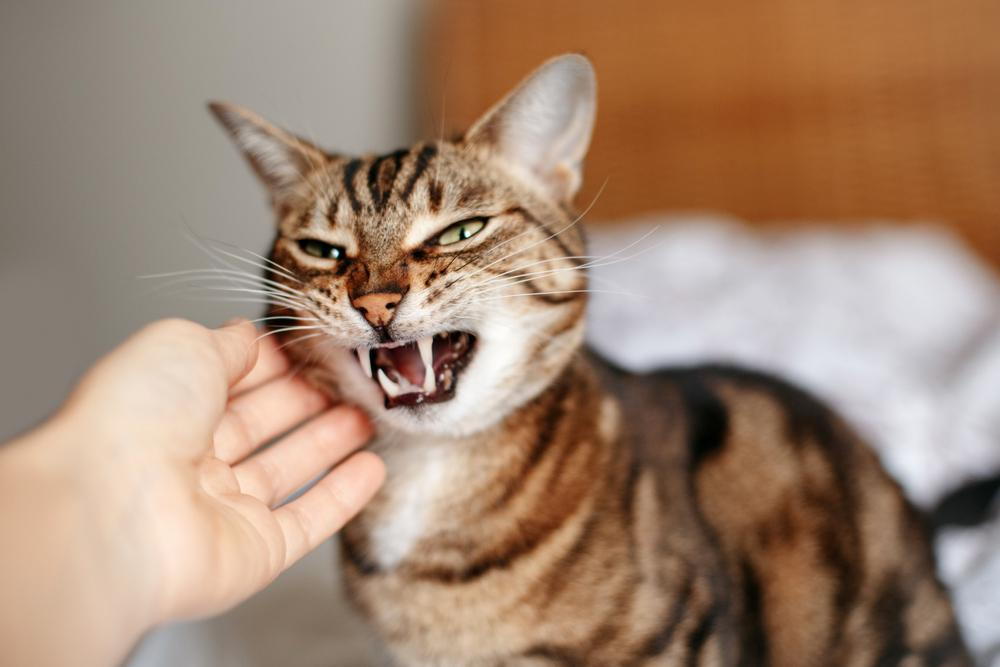
An anxious cat often exhibits physical changes that are visible to a dedicated owner who knows their normal habits. Dilated pupils and a flicking tail are common signs that an animal feels threatened or overwhelmed by its surroundings. You might see your pet crouched low to the ground with their ears pinned back against their head during a stressful event. Some cats experience psychogenic alopecia, which is a condition where they lick their fur so much that bald patches begin to appear. These physical manifestations of anxiety should be discussed with your veterinarian during your pet’s next wellness visit.
Behavioral Shifts and Environmental Triggers
Changes in litter box habits often serve as a significant red flag for emotional discomfort in a domestic cat. When an animal begins to urinate outside of their designated box, they may be marking their territory or expressing distress over a recent household change. Aggression toward other pets or family members is another way that anxiety manifests in feline behavior. You should use a consistent routine for feeding and play to help your pet feel more secure in their territory. Environmental triggers like loud noises, new furniture, or the presence of outdoor stray animals can spark a fearful response. A visit to your veterinarian will help determine if these behaviors are caused by stress or an underlying medical issue.
Clinical Support at Firestone Animal Hospital
Professional medical intervention is often necessary to manage severe cases of feline anxiety effectively. At our animal hospital, every patient receives a thorough physical examination to ensure that their behavioral changes are not linked to physical pain. Diagnostic tests are used to rule out systemic illnesses that might cause irritability or lethargy in your pet. Your veterinarian will develop a personalized management plan that may include pheromone therapy, environmental enrichment, or specific medications.
These clinical strategies aim to lower the stress threshold of your animal and improve their overall quality of life. To learn more or schedule an appointment, call our office at (562) 928-1341. Consistent professional oversight at Firestone Animal Hospital ensures that your cat remains a happy and healthy member of your family.
Office Hours
7539 Firestone Blvd, Downey, CA 90241
Firestone Office Hours
9:00 am - 7:00 pm
9:00 am - 7:00 pm
9:00 am - 5:00 pm
Office Only
9:00 am - 7:00 pm
9:00 am - 7:00 pm
9:00 am - 6:00 pm
Emergency Services & Urgent care available by appointment after-hours and Sundays
Firestone Office Hours
Location
Find Us On The Map!
Firestone Animal Hospital
7539 Firestone Blvd
Downey, CA 90241
Contact Us Today
We look forward to hearing from you
